Media conference on World Sepsis Day 2025
Media conference on World Sepsis Day 2025
Representatives of the Swiss Sepsis Program appeared before the Swiss media to mark World Sepsis Day 2025. For the first time, they presented the Swiss Sepsis Report with current figures on sepsis cases, deaths and costs in Switzerland. Two people affected by sepsis told of their very personal, tragic sepsis fates, putting a face to the figures.
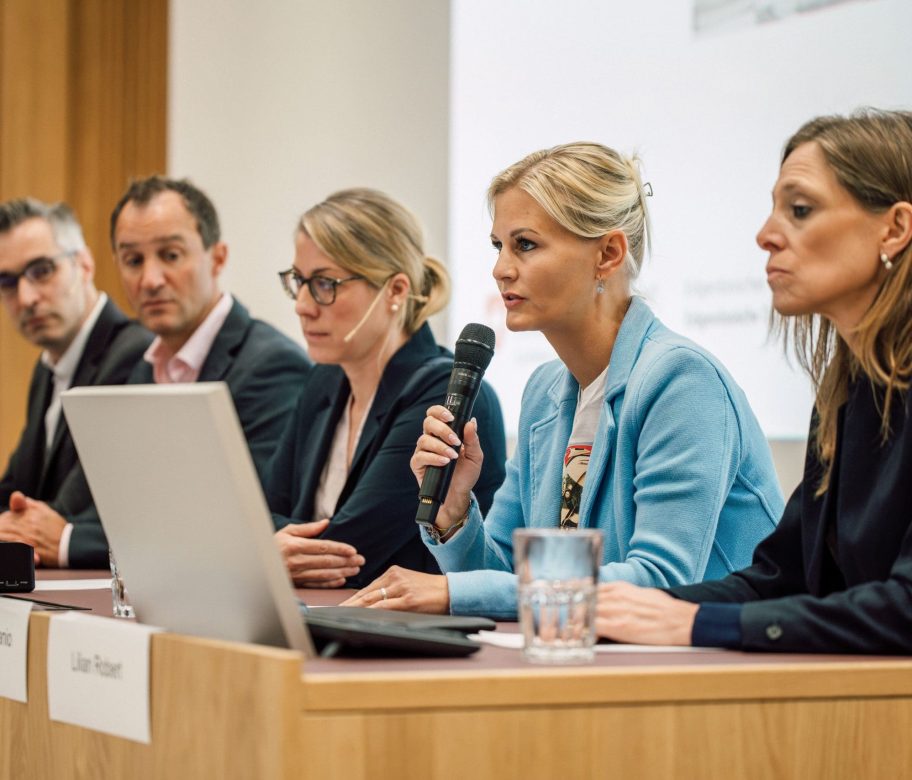
Every year, around 20,000 people in Switzerland are diagnosed with sepsis in hospital, and around 4,000 of them die as a result. The number of deaths from sepsis is likely to be significantly higher(Silent deaths in hospitals, SRF/RTS on 11.09.2025). These findings come from the Swiss Sepsis Report, which was published for the first time on World Sepsis Day 2025.
Like heart attacks and strokes
“Sepsis is on the same scale as heart attacks and strokes, but they are much better known,” says intensive care physician and program manager Nora Lüthi, lead author of the report. “Sepsis is also an underestimated, constant threat to people’s health and lives in Switzerland,” she emphasizes.
Immense costs
The Sepsis Report has calculated the increased annual direct hospital costs of sepsis at over one billion Swiss francs. If the consequences are taken into account, the costs are likely to be around 2 billion Swiss francs.
Intensive care physician and program manager Luregn Schlapbach speaks of “immense costs” for patients, families and the healthcare system. The Swiss Sepsis Program aims to reduce these costs. It is a well-coordinated approach, both nationally and internationally.
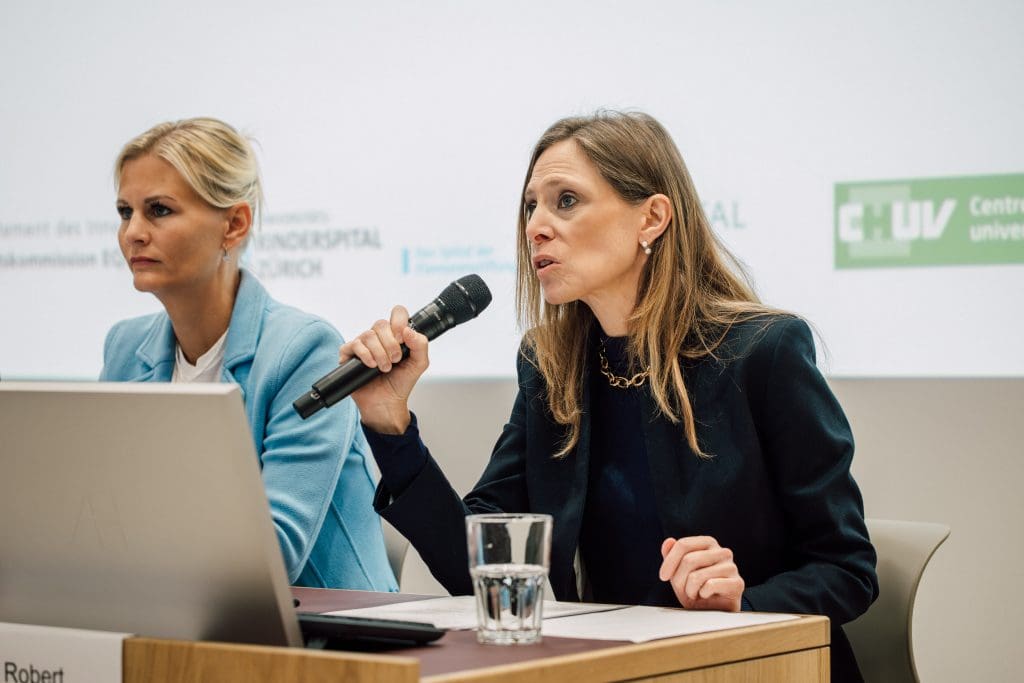
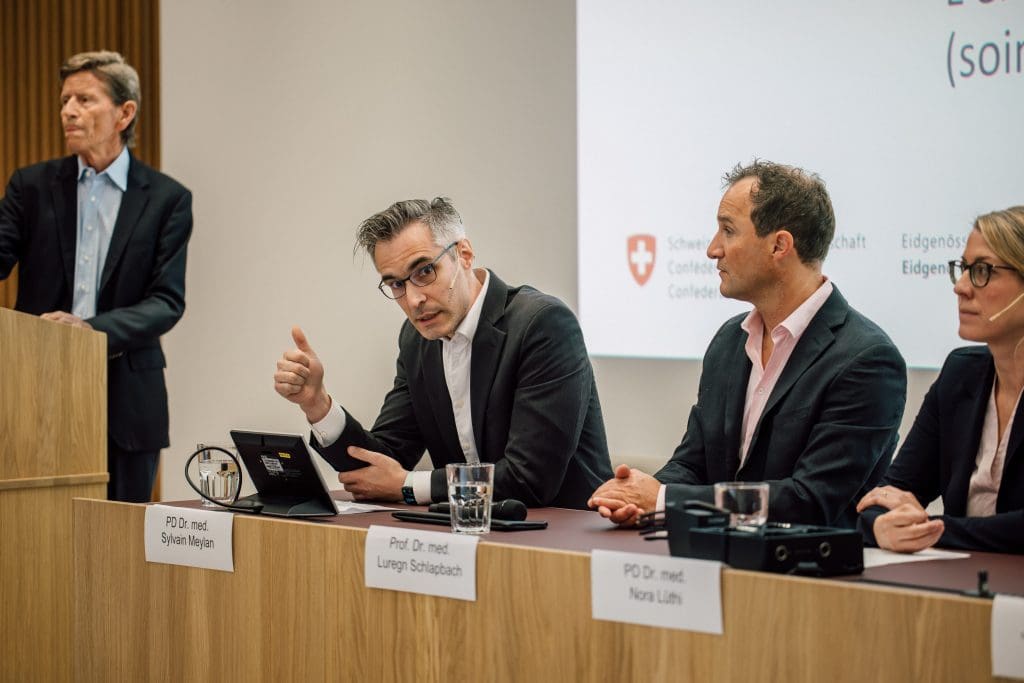
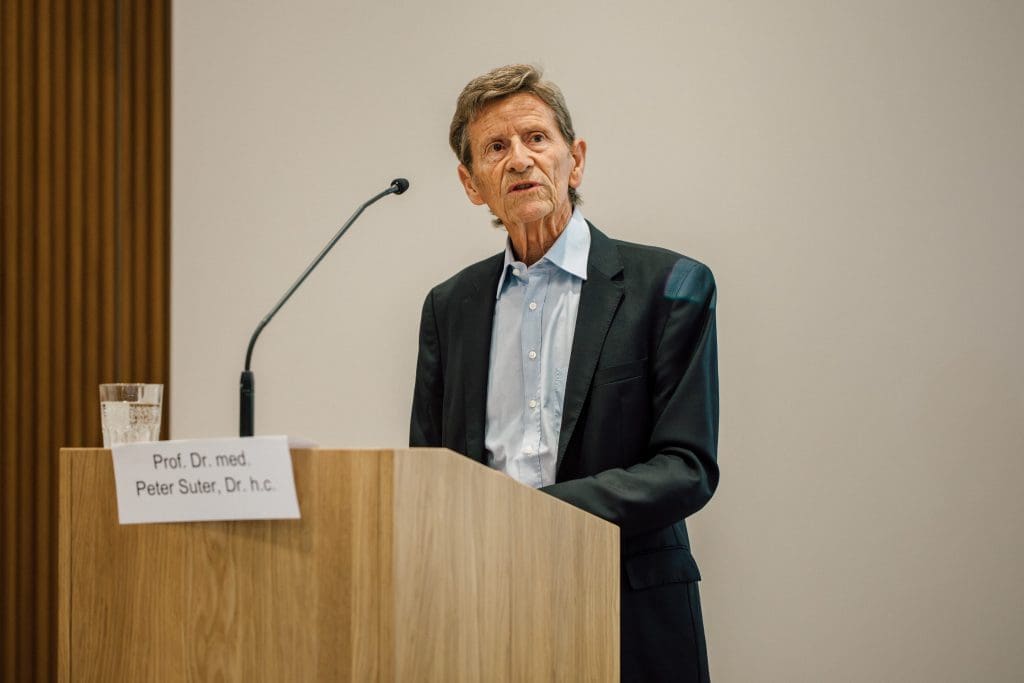
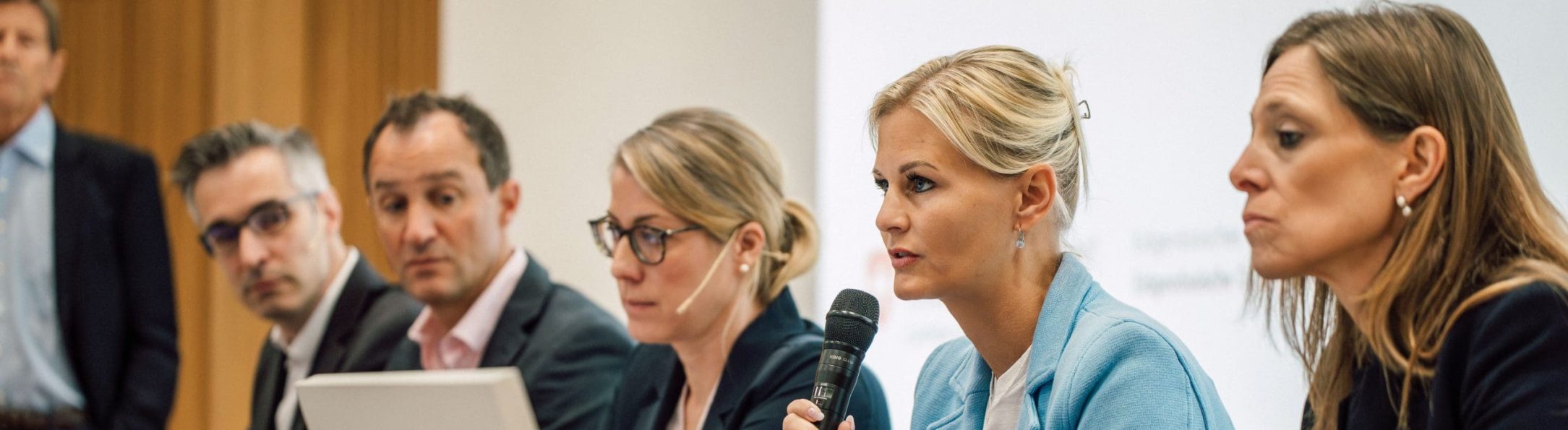
They speak for the Swiss Sepsis Program: Peter Suter, Sylvain Meylan, Luregn Schlapbach, Nora Lüthi, Jennifer Epifanio and Lilian Robert. (photos: David Bienert)
Broad knowledge is necessary
“Sepsis usually starts at home,” reports Schlapbach, which is why a broader knowledge of sepsis is needed. However, the program also aims to improve the training of healthcare professionals. Sylvain Meylan, head of a work package, adds that the hospitals need to be “empowered”. The sepsis program can build on the experience of the University Hospital of Vaud (CHUV) and a diverse national group of experts.
“So that others don’t experience the same”
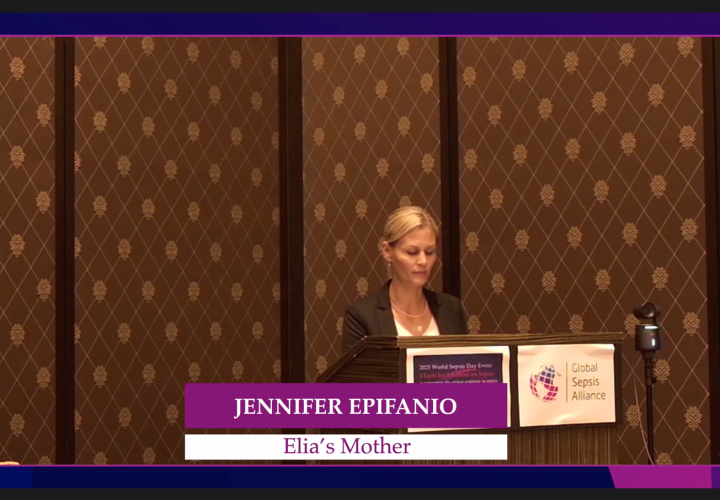
“I’m telling our story here today because I don’t want other families to have to experience the same fate as we did,” explains Jennifer Epifanio, the mother of a boy who died of sepsis at the age of 14. And: “Before we lost our son to sepsis, we had never heard of sepsis”. Lilian Robert has survived sepsis three times. “Surviving is a great fortune, but also a huge daily challenge”, she reports: “Everyone in Switzerland should know what sepsis can do”.
“We can do a lot better”
“We can do a lot better,” is the conclusion of former intensive care physician Peter Suter from the steering committee of the sepsis program. He invites people to sign the Swiss Sepsis Declaration. It stands for the joint commitment against sepsis in Switzerland.
Selected media contributions
Die Ärzte hatten Vera (8) aufgegeben – dann zogen sie einen letzten Joker
Nina Jecker, Basler Zeitung, 26.09.2025
Das stille Sterben in Spitälern wegen Blutvergiftungen
Olivier Dessibourg & Miroslav Mares/RTS, SRF, 11.09.2025
Sepsis en Suisse: 4000 morts par an, un tueur silencieux sous-estimé
Olivier Dessibourg & Miroslav Mares, RTS, 11.09.2025
«Binnen weniger Tage starb Elia an einem septischen Schock»
Medinside, 11.09.2025
Jedes Jahr sterben 4000 Menschen an einer Blutvergiftung
Blick, 11.09.2025
«Gefahr wird unterschätzt»: jährlich sterben 4000 an einer Sepsis
20 Minuten, 11.09.2025
Sepsi, una minaccia silenziosa
Corriere del Ticino, 11.09.2025